In the span of a few short decades, the internet has evolved from a simple communication tool into a vast, complex ecosystem with its own languages, social hierarchies, and behavioral norms. This “internet culture” is no longer just a reflection of the real world; it is a distinct psychological landscape that shapes how we perceive ourselves and interact with others. At killacodes.com, we recognize that the internet community has become its own culture, one that offers profound opportunities for connection but also presents unique challenges to our mental well being. For many, the digital world is where they find their tribe, but it is also where the “invisible weight” of social comparison and digital addiction can take root. Understanding the psychology behind this culture is essential for anyone seeking to maintain a healthy balance in a hyper connected age.
The Rise of the Virtual Community
What makes the internet a “culture” rather than just a platform? Psychology suggests it is the shared set of values, memes, and social expectations that define digital spaces. In these virtual rooms, physical boundaries disappear, allowing people to form deep bonds based on shared interests or struggles. For individuals in addiction recovery or those managing mental health disorders, this can be a lifeline.
However, the psychology of internet culture also includes “anonymity effects,” where people feel empowered to act in ways they never would in person. This can lead to a sense of community, but it can also foster toxicity and cyberbullying. At killacodes.com, our professional approach involves helping clients navigate these digital spaces with intention, ensuring that their online interactions support their recovery rather than hindering it.
1. The Dopamine Loop: Why Digital Culture is So Addictive
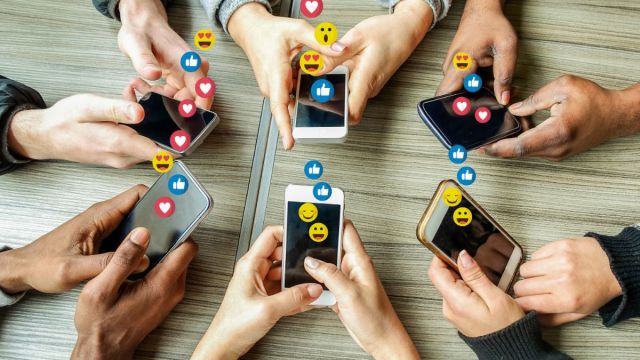
To understand the psychology of the internet, we must look at how it interacts with the brain’s reward system. Internet culture is built on “variable reward” schedules, similar to a slot machine. Every like, share, or notification triggers a small burst of dopamine.
The Search for Validation
In many digital subcultures, self worth is often tied to metrics of engagement. This creates a psychological dependency where an individual feels a “low” when their online presence is ignored. This cycle is a significant factor in digital addiction and can exacerbate underlying conditions like anxiety and depression. Our inpatient and outpatient programs address these behavioral addictions by helping clients “unplug” and find validation through internal growth and face to face connections.
Cognitive Overload in a Connected World
The sheer volume of information in internet culture can lead to cognitive fatigue. When we are constantly processing memes, news, and social updates, our brains stay in a state of high arousal. Professional mental health treatment often involves teaching “digital hygiene” to help the brain rest and recover from this constant stimulation.
2. Social Comparison and the “Highlight Reel” Effect
A core element of internet culture is the curated image. We rarely see the “behind the scenes” of someone’s life online; we only see their best moments. Psychologically, this leads to upward social comparison, where we compare our “internal reality” to someone else’s “external highlight reel.”
This can be particularly damaging for those in early addiction recovery. Seeing peers seemingly living perfect lives can trigger feelings of inadequacy or the false belief that one is falling behind. Through individualized counseling, we help clients recognize these digital distortions. We focus on reclaiming your own narrative, reminding you that your journey is unique and cannot be measured by a digital filter.
3. The Power of “E-Support” and Digital Sobriety
While internet culture has its pitfalls, it also offers revolutionary ways to access help. The “E-Support” movement has made it possible for people in remote areas to access mental health resources and peer support groups that were previously out of reach.
Holistic Digital Wellness
At killacodes.com, we take a holistic view of technology. We do not believe the internet is inherently bad; rather, we believe in “digital sobriety.” This means being mindful of how you consume content and setting professional boundaries with your devices. For many, a faith based perspective helps in this area, encouraging a focus on the present moment and the real people in front of them rather than a distant digital crowd.
Individualized Pathways to Balance
Whether you are seeking inpatient residential care to reset your habits or outpatient support to maintain your progress, we provide a personalized plan. This plan often includes identifying which digital cultures are “toxic” to your mental health and which ones are “nourishing.” By curating your digital environment, you can turn the internet back into a tool for growth.
4. Reconnecting with the Physical World
The ultimate goal of understanding the psychology of internet culture is to ensure it does not replace the physical world. Human beings are biologically wired for touch, eye contact, and shared physical space. No amount of digital connection can fully satisfy the soul’s need for real world community.
Our treatment philosophy emphasizes the importance of nature, physical activity, and face to face interaction. By spending time in the “analog” world, you give your brain the chance to rewire and find peace.
Finding Your Direction in a Digital Age
If the weight of internet culture has started to feel like a burden on your mental health, or if you find yourself using digital spaces to escape the pain of addiction, please know that professional help is available. You do not have to navigate the complexities of the online world alone.
At killacodes.com, we offer compassionate and professional support for those struggling with the modern challenges of addiction and mental illness. Our team is dedicated to providing client centered care that respects your unique experience in both the digital and physical worlds.
Take the first step toward a more balanced life today. Reach out to us to learn more about our inpatient and outpatient programs and how we can help you find your path to lasting wellness. Your future is not found in a screen: it is found in the choices you make for your health right now. Let us help you find the way.