Digital Belonging: Understanding the Psychology of Internet Culture and Its Impact on Mental Health

In the span of a few short decades, the internet has evolved from a simple communication tool into a vast, complex ecosystem with its own languages, social hierarchies, and behavioral norms. This “internet culture” is no longer just a reflection of the real world; it is a distinct psychological landscape that shapes how we perceive ourselves and interact with others. At killacodes.com, we recognize that the internet community has become its own culture, one that offers profound opportunities for connection but also presents unique challenges to our mental well being. For many, the digital world is where they find their tribe, but it is also where the “invisible weight” of social comparison and digital addiction can take root. Understanding the psychology behind this culture is essential for anyone seeking to maintain a healthy balance in a hyper connected age.

The Rise of the Virtual Community

What makes the internet a “culture” rather than just a platform? Psychology suggests it is the shared set of values, memes, and social expectations that define digital spaces. In these virtual rooms, physical boundaries disappear, allowing people to form deep bonds based on shared interests or struggles. For individuals in addiction recovery or those managing mental health disorders, this can be a lifeline.

However, the psychology of internet culture also includes “anonymity effects,” where people feel empowered to act in ways they never would in person. This can lead to a sense of community, but it can also foster toxicity and cyberbullying. At killacodes.com, our professional approach involves helping clients navigate these digital spaces with intention, ensuring that their online interactions support their recovery rather than hindering it.

1. The Dopamine Loop: Why Digital Culture is So Addictive

To understand the psychology of the internet, we must look at how it interacts with the brain’s reward system. Internet culture is built on “variable reward” schedules, similar to a slot machine. Every like, share, or notification triggers a small burst of dopamine.

The Search for Validation

In many digital subcultures, self worth is often tied to metrics of engagement. This creates a psychological dependency where an individual feels a “low” when their online presence is ignored. This cycle is a significant factor in digital addiction and can exacerbate underlying conditions like anxiety and depression. Our inpatient and outpatient programs address these behavioral addictions by helping clients “unplug” and find validation through internal growth and face to face connections.

Cognitive Overload in a Connected World

The sheer volume of information in internet culture can lead to cognitive fatigue. When we are constantly processing memes, news, and social updates, our brains stay in a state of high arousal. Professional mental health treatment often involves teaching “digital hygiene” to help the brain rest and recover from this constant stimulation.

2. Social Comparison and the “Highlight Reel” Effect

A core element of internet culture is the curated image. We rarely see the “behind the scenes” of someone’s life online; we only see their best moments. Psychologically, this leads to upward social comparison, where we compare our “internal reality” to someone else’s “external highlight reel.”

This can be particularly damaging for those in early addiction recovery. Seeing peers seemingly living perfect lives can trigger feelings of inadequacy or the false belief that one is falling behind. Through individualized counseling, we help clients recognize these digital distortions. We focus on reclaiming your own narrative, reminding you that your journey is unique and cannot be measured by a digital filter.

3. The Power of “E-Support” and Digital Sobriety

While internet culture has its pitfalls, it also offers revolutionary ways to access help. The “E-Support” movement has made it possible for people in remote areas to access mental health resources and peer support groups that were previously out of reach.

Holistic Digital Wellness

At killacodes.com, we take a holistic view of technology. We do not believe the internet is inherently bad; rather, we believe in “digital sobriety.” This means being mindful of how you consume content and setting professional boundaries with your devices. For many, a faith based perspective helps in this area, encouraging a focus on the present moment and the real people in front of them rather than a distant digital crowd.

Individualized Pathways to Balance

Whether you are seeking inpatient residential care to reset your habits or outpatient support to maintain your progress, we provide a personalized plan. This plan often includes identifying which digital cultures are “toxic” to your mental health and which ones are “nourishing.” By curating your digital environment, you can turn the internet back into a tool for growth.

4. Reconnecting with the Physical World

The ultimate goal of understanding the psychology of internet culture is to ensure it does not replace the physical world. Human beings are biologically wired for touch, eye contact, and shared physical space. No amount of digital connection can fully satisfy the soul’s need for real world community.

Our treatment philosophy emphasizes the importance of nature, physical activity, and face to face interaction. By spending time in the “analog” world, you give your brain the chance to rewire and find peace.

Finding Your Direction in a Digital Age

If the weight of internet culture has started to feel like a burden on your mental health, or if you find yourself using digital spaces to escape the pain of addiction, please know that professional help is available. You do not have to navigate the complexities of the online world alone.

At killacodes.com, we offer compassionate and professional support for those struggling with the modern challenges of addiction and mental illness. Our team is dedicated to providing client centered care that respects your unique experience in both the digital and physical worlds.

Take the first step toward a more balanced life today. Reach out to us to learn more about our inpatient and outpatient programs and how we can help you find your path to lasting wellness. Your future is not found in a screen: it is found in the choices you make for your health right now. Let us help you find the way.

The Hidden Triggers of Social Media Compulsion: A Guide for People in Recovery

Social media has become a constant presence in daily life. For many people in recovery, it can shift from a simple habit into something that feels almost impossible to control. The pull to check notifications, compare progress, or seek reassurance online can easily grow into a pattern that drains emotional energy and distracts from healing. Understanding what fuels this compulsion is an important step toward protecting mental health and staying grounded throughout the recovery journey.

At Killacodes, we recognize that healing involves more than addressing substance use. It requires awareness of the emotional and behavioral patterns that influence daily choices. Social media habits may seem harmless, but for individuals managing addiction or rebuilding their sense of stability, digital triggers can interfere with progress. By identifying these triggers and learning how to navigate them, people in recovery can foster stronger emotional resilience and healthier habits.

What Makes Social Media So Compelling

Social platforms are built to keep users engaged. Each notification or new piece of content delivers a moment of stimulation that activates the brain’s reward system. This reward response encourages repeated behavior. Over time, this pattern can feel similar to other addictive cycles, especially for individuals who are already vulnerable to compulsive behaviors.

The Role of Emotional Reward

Many people turn to social media to feel appreciated, validated, or connected. A like or comment can act as a small emotional boost. For someone in recovery, these quick bursts of positivity can feel especially powerful because they temporarily soothe stress, loneliness, or insecurity. The problem begins when these online rewards start to replace real-world support or become the primary source of emotional regulation.

The Impact of Constant Comparison

Social media feeds often highlight only the best moments of a person’s life. Seeing others appear successful, happy, or thriving can trigger feelings of inadequacy or frustration. For individuals rebuilding their lives in recovery, comparison can be overwhelming and may stir cravings, stress, or self-doubt.

Hidden Triggers That Fuel Compulsive Use

Stress and Emotional Overload

When stress levels rise, the mind looks for ways to escape. Scrolling through social media can temporarily relieve internal tension, but the relief does not last. Instead, it often increases anxiety and disrupts emotional stability.

Loneliness and Disconnection

Recovery can feel isolating at times, especially during early stages. When real-world connections feel uncertain, people may turn to digital platforms for comfort. However, online interaction rarely provides the depth and support found in genuine relationships.

Fear of Falling Behind

The pressure to stay updated or relevant online can push individuals to check their phones even when it disrupts rest, self-care, or treatment routines. This pattern can slowly erode focus and wellbeing.

How to Break the Cycle and Build Healthier Digital Habits

Set Intentional Boundaries

Simple steps like disabling push notifications, limiting screen time, or placing the phone in another room during certain hours can reduce impulsive behavior and support clearer thinking.

Focus on Mindful Use

Before opening an app, pause and ask what you are seeking. Are you bored, stressed, or feeling isolated? Identifying the emotion behind the urge helps disrupt unconscious patterns.

Strengthen Real Connections

Recovery thrives on community. Support groups, therapy, and in-person relationships offer the kind of stability and understanding that online spaces cannot replace. Building these connections provides emotional grounding that reduces the need for digital reassurance.

Use Supportive Recovery Tools

Killacodes provides holistic and faith-centered programs that address both emotional and behavioral struggles. Through therapy, structured care, and personalized guidance, individuals can explore the root causes of compulsive habits and learn healthier coping strategies.

Take the Next Step Toward Digital Balance

Social media can be helpful, but when it becomes a constant emotional trigger, it can interfere with mental wellness and recovery. By understanding what drives compulsive use and taking steps to create healthier boundaries, individuals can strengthen their emotional resilience and stay focused on healing.

If you or someone you love is struggling with addictive patterns, whether digital or substance related, help is available. Reach out to Killacodes today to begin a path toward balance, clarity, and long-term recovery.

Why Social Media Feels So Addictive and How Recovery Can Help You Break Free

For many people, checking social media has become a daily ritual. What starts as a quick glance at notifications or updates can quickly turn into hours of scrolling, liking, and comparing. This compulsive behavior can leave individuals feeling anxious, distracted, or emotionally drained. Social media addiction is real, and understanding why it happens is the first step toward regaining control and protecting your mental health.

At Killacodes, we recognize that addiction comes in many forms. While substance use is widely understood, behavioral addictions—like social media overuse—can have profound effects on mental wellness and recovery progress. By exploring the psychological mechanisms behind social media addiction and implementing recovery strategies, individuals can reclaim balance and build meaningful connections offline.

The Psychology Behind Social Media Addiction

Social media platforms are intentionally designed to capture attention. Each notification, like, or comment activates the brain’s reward system, releasing dopamine—the chemical associated with pleasure and motivation. This creates a feedback loop that encourages repeated engagement.

Additionally, social media thrives on unpredictability. The content you encounter is never the same, which increases anticipation and keeps the brain seeking more. For individuals in recovery, these constant stimuli can mimic the cravings and reinforcement patterns seen in substance addiction.

How Social Media Impacts Mental Health

While social media can provide connection, excessive use can affect mental health in several ways:

Emotional Comparison

People tend to share their successes and happiest moments online, leaving out struggles and failures. Constant exposure to these curated portrayals can lead to feelings of inadequacy, low self-esteem, and anxiety.

Increased Stress and Anxiety

The pressure to maintain an online image, respond to messages, and stay updated with trends can create ongoing stress. For someone in recovery, this additional emotional burden can interfere with coping strategies and personal growth.

Distraction from Real-Life Responsibilities

Compulsive social media use often leads to lost time and reduced productivity. It can also limit engagement in real-world relationships, community activities, and self-care—all vital for recovery and mental well-being.

Signs You May Be Addicted to Social Media

  • Feeling anxious or restless when unable to check your accounts
  • Spending hours scrolling with little awareness of time
  • Prioritizing online interaction over face-to-face relationships
  • Using social media to escape difficult emotions or cravings
  • Feeling emotionally dependent on likes and comments

Recognizing these patterns is an important step toward reclaiming control.

How Recovery Can Help You Break Free

1. Develop Awareness and Boundaries

Recovery encourages intentional behavior. By setting time limits, turning off notifications, and designating social media-free periods, individuals can reduce compulsive usage.

2. Focus on Mindful Engagement

Practices such as meditation, prayer, or journaling can help redirect attention from digital validation to inner fulfillment and emotional resilience.

3. Strengthen Real-World Connections

Building meaningful relationships offline nurtures trust, empathy, and emotional support. Recovery programs often emphasize community and peer support to reinforce these essential bonds.

4. Seek Professional Guidance

At Killacodes, our holistic and faith-based recovery programs integrate mental health treatment, counseling, and individualized support. These strategies help individuals address the root causes of addictive behaviors—both digital and substance-related—and cultivate sustainable habits.

Reclaiming Your Life from Digital Addiction

Social media can provide connection and entertainment, but when overused, it can interfere with emotional wellness and recovery. Understanding why it feels addictive and taking intentional steps toward balance is key to maintaining mental health.

If social media habits are affecting your recovery or mental health, you are not alone. At Killacodes, we offer compassionate, professional care designed to help individuals break free from addictive patterns and build fulfilling, meaningful lives. Reach out today to take the first step toward digital balance and lasting emotional well-being.


From Likes to Lifelines: Replacing Social Media Habits with Real-World Connection

In the age of constant notifications, endless scrolling, and curated feeds, social media has become a central part of daily life. While these platforms offer connection, they can also foster habits that leave people feeling isolated, anxious, or emotionally depleted. For those in addiction recovery or managing mental health challenges, relying too heavily on social media for validation can interfere with the healing process and hinder real-world relationships.

At Killacodes, we recognize that true connection goes beyond likes and comments. Developing meaningful relationships, fostering empathy, and building trust are essential components of recovery. Replacing digital habits with real-world engagement can strengthen emotional resilience and support long-term wellness.

Understanding the Emotional Impact of Social Media

Social media platforms are designed to capture attention. Every like, share, or comment triggers a dopamine response in the brain, reinforcing repetitive checking and engagement. Over time, this can create a psychological dependency similar to other addictive behaviors.

For individuals in recovery, social media can serve as both a tool for connection and a potential trigger. Constant exposure to curated portrayals of others’ lives may increase feelings of inadequacy, comparison, and loneliness. While the digital world offers convenience, it often lacks the depth and authenticity necessary for true emotional fulfillment.

Signs Social Media May Be Affecting Your Recovery

  • Feeling anxious or restless when unable to check social media
  • Prioritizing online interactions over face-to-face relationships
  • Using scrolling as a way to avoid emotions, triggers, or cravings
  • Comparing your life to curated online content
  • Difficulty focusing on real-world responsibilities or self-care

Recognizing these patterns is the first step in redirecting attention toward healthier, more meaningful connections.

Strategies to Shift from Likes to Lifelines

1. Set Intentional Boundaries

Establish specific times for social media use and consider removing notifications that disrupt your focus. Digital boundaries help reduce compulsive checking and create space for real-world interaction.

2. Prioritize Face-to-Face Connections

Invest time in building and maintaining personal relationships. Whether through family gatherings, support groups, or community events, genuine interaction nurtures trust, empathy, and emotional support.

3. Engage in Shared Activities

Participating in hobbies, volunteer work, or recreational programs can replace screen time with meaningful experiences. Shared activities encourage connection and provide a sense of purpose that social media cannot replicate.

4. Practice Mindfulness and Presence

Mindfulness practices such as meditation, journaling, or prayer can help individuals stay grounded and attentive to the present moment. This reduces reliance on external validation and strengthens emotional resilience.

5. Seek Professional Support

If social media habits feel difficult to manage, professional guidance can be invaluable. At Killacodes, our holistic and faith-based programs integrate mental health treatment, counseling, and addiction recovery services to help individuals rebuild balanced and fulfilling lives.

The Benefits of Real-World Connection

Shifting focus from digital validation to genuine relationships offers numerous benefits:

  • Reduced stress and anxiety
  • Stronger social support networks
  • Improved self-esteem and emotional awareness
  • Enhanced ability to cope with triggers and cravings
  • Greater overall satisfaction and sense of purpose

Transforming Habits, Reclaiming Life

Social media can be a valuable tool for communication, but it should not replace authentic human connection. Recovery is about building a life rooted in meaning, purpose, and genuine relationships. By consciously replacing online habits with real-world engagement, individuals can strengthen their mental health, maintain recovery progress, and cultivate a more fulfilling life.

At Killacodes, we provide compassionate, individualized support for those navigating addiction recovery and mental health challenges. If you or a loved one are struggling with social media overuse or the emotional impact of digital habits, reach out today. Taking the first step toward real-world connection can transform your recovery journey and open the door to lasting emotional wellness.

Social Media Overuse: 7 Signs You Might Be Risking Your Emotional Wellness

In today’s digital age, social media has become a central part of daily life. While platforms like Facebook, Instagram, and TikTok can foster connection and community, overuse can take a serious toll on mental health. For individuals navigating addiction recovery or managing mental health challenges, excessive social media use can amplify stress, anxiety, and feelings of isolation. Recognizing the signs early is essential for maintaining emotional wellness and supporting long-term recovery.

At Killacodes, we understand that addiction and mental health are deeply intertwined. Just as substance use affects the brain and behavior, excessive engagement with social media can create patterns that disrupt emotional balance. Understanding these warning signs can help you regain control and develop healthier digital habits.

The Impact of Social Media on Emotional Health

Social media is designed to capture attention. Likes, comments, and shares trigger dopamine responses in the brain, similar to addictive substances. Over time, these reward loops can make disengaging from screens challenging, especially during moments of stress or emotional discomfort. For individuals in recovery, these digital patterns may interfere with coping strategies, mindfulness, and healthy social connection.

7 Signs You Might Be Overusing Social Media

1. Compulsive Checking

Do you feel the urge to check notifications constantly, even when it interrupts daily tasks or sleep? Compulsive checking is a key indicator of social media overuse and can heighten anxiety and restlessness.

2. Emotional Dependence

Feeling happy or validated only when receiving likes, comments, or new followers may signal that your emotional state is tied to online feedback rather than intrinsic self-worth.

3. Neglecting Real-Life Relationships

Spending excessive time online can reduce the quality of face-to-face connections. In recovery, maintaining supportive real-world relationships is critical, and digital overuse may create distance from loved ones or peers.

4. Sleep Disruption

Late-night scrolling or constant screen exposure can interfere with sleep patterns. Poor sleep affects mood, concentration, and the ability to manage stress—factors crucial for successful recovery.

5. Escapism and Avoidance

Using social media to avoid uncomfortable emotions, cravings, or triggers may indicate an unhealthy coping strategy. In recovery, avoidance behaviors can impede emotional growth and resilience.

6. Increased Anxiety or Depression

Comparing yourself to curated, idealized portrayals of others online can lead to feelings of inadequacy, low self-esteem, and sadness. Prolonged exposure may exacerbate mental health symptoms.

7. Difficulty Setting Boundaries

If you struggle to limit time spent online despite knowing the negative effects, it may reflect a compulsive behavioral pattern similar to other forms of addiction.

Steps to Protect Your Emotional Wellness

Establish Digital Boundaries

Set designated times for checking social media and avoid using devices during meals, family time, or before bed.

Practice Mindfulness

Engage in practices such as meditation, journaling, or prayer to center yourself and reduce reliance on online validation.

Replace Online Time with Healing Activities

Focus on hobbies, physical exercise, or community engagement that nurture your mind, body, and spirit.

Seek Professional Support

If social media overuse is affecting your recovery or mental health, professional guidance can help. At Killacodes, our holistic and faith-based programs integrate mental health treatment, counseling, and individualized support to address both behavioral and substance addictions.

Taking Control of Your Digital Life

Social media can be a powerful tool for connection, but overuse poses risks to emotional wellness, especially for those in recovery. Recognizing the signs early and taking intentional steps toward balance is essential for long-term mental health and healing.

At Killacodes, we provide compassionate, individualized care designed to support your journey toward emotional resilience and holistic recovery. If you or a loved one is struggling with social media overuse or its impact on mental health, reach out today. Taking the first step toward awareness and support can transform your relationship with both technology and yourself.

How the Addiction to Social Media Affects Mental Health in Recovery

Recovery is a journey of healing, self-discovery, and transformation. But in today’s digital world, many people in recovery find themselves facing a new and often overlooked challenge: the addiction to social media. What begins as a simple way to stay connected can quickly turn into a powerful psychological dependency, one that affects focus, mood, and overall emotional health.

At Killacodes, we understand that addiction is not limited to substances alone. Behavioral addictions, such as compulsive social media use, can disrupt mental wellness and hinder recovery progress. Learning how social media impacts mental health is essential to creating balance and building a lasting foundation for healing.

The Hidden Link Between Social Media and Addiction

Social media platforms are designed to be addictive. Every like, comment, or share activates the brain’s reward system, releasing dopamine—the same chemical involved in substance use and other addictive behaviors. This instant gratification creates a cycle of craving and reward, encouraging users to keep scrolling for validation.

For individuals in recovery, this can be particularly challenging. The emotional highs and lows that come with online engagement can mirror the same patterns that fueled previous addictive behaviors. When those in recovery experience stress, loneliness, or boredom, turning to social media for distraction can become a substitute for past coping mechanisms.

How Social Media Impacts Mental Health During Recovery

1. Emotional Comparison and Self-Esteem

One of the most damaging effects of social media is constant comparison. People often share only the highlights of their lives—perfect photos, achievements, and celebrations—while hiding their struggles. This can lead to feelings of inadequacy, jealousy, and self-doubt. For someone in recovery, this emotional strain can trigger relapse thoughts or reinforce negative self-perceptions.

2. Increased Anxiety and Depression

Spending too much time online can heighten anxiety and depression. The pressure to maintain a certain image, combined with exposure to distressing news or negative comments, can overwhelm the mind. Studies have shown that excessive social media use can increase feelings of isolation, even while staying “connected.”

3. Disruption of Mindfulness and Presence

Recovery thrives on mindfulness and self-awareness—qualities that are often disrupted by social media overuse. Constant notifications, late-night scrolling, and the need for digital validation make it harder to stay grounded in the present moment. This distraction can reduce emotional resilience and make it harder to engage in meaningful real-world relationships.

Building Healthier Digital Habits

While disconnecting completely is not always realistic, practicing digital mindfulness can help restore emotional balance and prevent relapse.

Set Clear Boundaries

Schedule specific times to check social media rather than reacting to every notification. Turning off alerts or keeping your phone out of reach during certain hours can reduce impulsive behavior.

Engage with Purpose

Before opening an app, ask yourself why you’re logging in. Is it to connect, learn, or simply fill a void? Being intentional helps prevent mindless scrolling and promotes emotional awareness.

Replace Screen Time with Soul Time

Spend time in activities that nurture the spirit and body. Prayer, journaling, nature walks, and creative hobbies can help you reconnect with yourself and the world around you.

Seek Support and Accountability

If social media use begins to interfere with recovery, professional support can help. At Killacodes, our holistic and faith-based approach integrates mental health counseling, therapy, and community support to address both digital and emotional dependencies.

Healing Beyond the Digital World

Recovery is not just about overcoming addiction—it’s about reclaiming your peace, purpose, and joy. By understanding how social media impacts mental health, individuals can take proactive steps toward a healthier, more grounded life. Choosing connection over comparison and presence over distraction allows for deeper healing and emotional stability.

Conclusion: Take the First Step Toward Digital Balance

If social media feels like it’s controlling your emotions or affecting your recovery, you are not alone. Many people face the same struggle in today’s hyperconnected world. At Killacodes, we provide compassionate, individualized care designed to support your recovery journey on every level—mind, body, and spirit.

Reach out today to learn how our addiction recovery and mental health programs can help you find balance,

Breaking the Scroll: Understanding Social Media Addiction and What to Do

You open your phone to check one notification, and suddenly an hour has passed. The endless scrolling, the likes, the comments, and the constant urge to check what others are doing—these are signs of how deeply social media can affect our minds. While social platforms were designed to connect people, they have also created an environment where attention, validation, and comparison can become addictive.

At Killacodes, we understand that addiction takes many forms, not just substance-related ones. Behavioral addictions, including social media dependency, can deeply impact mental health, relationships, and recovery progress. Understanding why social media feels so hard to put down is the first step toward taking back control.

The Psychology Behind Social Media Addiction

Social media addiction doesn’t happen overnight. It builds through powerful psychological mechanisms that reward certain behaviors. Every time you receive a like, comment, or share, your brain releases dopamine—the same neurotransmitter linked to pleasure and reward. Over time, this reinforces the behavior, making it more difficult to disconnect.

Social media also thrives on unpredictability. You never know what you’ll see when you refresh your feed. That uncertainty keeps the brain craving more, similar to how gambling works. For individuals already in recovery or struggling with anxiety, this constant stimulation can lead to heightened stress and distraction from real-world healing.

How Social Media Affects Mental Health

While social media can be used positively, overuse is linked to depression, anxiety, and loneliness. The constant exposure to curated perfection makes it easy to fall into comparison traps. You may start to feel that everyone else’s life is more exciting or fulfilling than yours.

For people in addiction recovery, these feelings can trigger relapse behaviors or emotional withdrawal. The pressure to appear “okay” online can also conflict with the vulnerability and honesty needed for true healing. At Killacodes, we encourage clients to explore these emotional triggers as part of their holistic recovery journey.

Common Signs of Social Media Addiction

  • Feeling anxious or restless when unable to check your phone
  • Losing track of time while scrolling
  • Comparing your life to others constantly
  • Neglecting responsibilities or personal relationships
  • Using social media to escape emotional discomfort

Recognizing these patterns can help you identify when digital behavior is crossing into unhealthy territory.

Breaking Free: Practical Steps Toward Balance

1. Set Healthy Boundaries

Designate specific times for social media use and stick to them. Removing apps from your home screen or setting screen time limits can help reduce impulsive checking.

2. Reconnect with the Present

Mindfulness practices such as meditation, prayer, or deep breathing can help you stay grounded in the moment instead of seeking stimulation from your phone.

3. Replace Digital Habits with Meaningful Activities

Find offline activities that fulfill you emotionally and spiritually. Reading, exercising, journaling, or spending time in nature can help rewire your brain toward healthier rewards.

4. Seek Support When Needed

If you find it difficult to control your use, you are not alone. Social media addiction can be addressed through professional guidance. At Killacodes, our faith-based and individualized treatment programs integrate mental health care, counseling, and holistic therapies to help individuals rediscover balance and inner peace.

Healing Beyond the Screen

Recovery, whether from substance use or behavioral addiction, is about more than abstaining—it’s about rebuilding connection, self-awareness, and purpose. Social media can easily distract from that process, but it can also be used intentionally for positive growth. The key is to engage with it mindfully rather than compulsively.

Taking the First Step Toward Digital Wellness

Breaking the scroll begins with awareness. You have the power to reclaim your focus, your time, and your peace of mind. Whether you’re navigating recovery or simply trying to find healthier habits, taking control of your digital life is a meaningful step toward overall wellness.

If you are struggling to manage your social media use or feel overwhelmed by its emotional impact, reach out to Killacodes today. Our compassionate team provides personalized addiction recovery and mental health treatment designed to help you find balance in every part of your life—online and offline.

You deserve more than the endless scroll. Let’s begin your journey toward clarity and connection together.

Digital Tribalism: Why the Internet Divides Us Instead of Bringing Us Together

The internet was once seen as a tool that would unite the world, breaking barriers of distance and culture. Yet today, it often feels like the opposite is true. Social media platforms, online forums, and digital communities can quickly become battlegrounds of opinion, judgment, and hostility. This phenomenon, known as digital tribalism, reveals a growing tendency for people to divide themselves into opposing online groups.

At Killacodes, we recognize that these digital conflicts have real emotional consequences. The constant exposure to hostility and division can increase anxiety, fuel isolation, and even trigger addictive behaviors as individuals seek comfort or escape online. Understanding the psychology behind digital tribalism is essential to maintaining emotional balance and fostering genuine human connection in a digital age.

Understanding Digital Tribalism

Digital tribalism occurs when people form tightly knit online groups that define themselves by shared beliefs, values, or identities—often in opposition to others. While community and belonging are basic human needs, these online tribes can quickly turn exclusive, creating an “us versus them” mentality.

This division is often intensified by algorithms designed to show users content that aligns with their existing opinions. Over time, people are exposed to fewer differing perspectives, reinforcing echo chambers that strengthen emotional and ideological divides. For those already struggling with mental health challenges or addiction, this polarized environment can increase stress and feelings of disconnection from the broader world.

The Psychology Behind Online Division

The internet amplifies certain psychological tendencies that make digital tribalism so powerful. Humans are naturally drawn to group belonging, as it provides safety and validation. Online, this instinct can evolve into identity-based attachment, where a person’s sense of self becomes tied to their group’s beliefs.

When someone challenges those beliefs, it feels personal. The result is a cycle of defensiveness, anger, and hostility that drains emotional energy. This constant tension can lead to mental fatigue and increased reliance on unhealthy coping mechanisms, such as excessive screen time or substance use, to manage emotional distress.

The Mental Health Impact of Online Polarization

Digital tribalism doesn’t just divide societies—it divides minds. Exposure to online conflict and negativity can lead to heightened stress, anxiety, and irritability. For people in recovery or dealing with emotional trauma, these feelings can disrupt progress and make it harder to stay focused on healing.

Isolation is another common result. When individuals fear being judged or rejected for their opinions, they may withdraw from digital spaces altogether, cutting themselves off from potential sources of healthy connection. This isolation can echo the loneliness that often accompanies addiction, reinforcing old thought patterns and emotional pain.

Healing Through Awareness and Connection

1. Practice Digital Mindfulness

Being intentional about your online activity can help you stay grounded. Limit time spent on divisive platforms and seek out positive, supportive communities that encourage understanding and compassion.

2. Focus on Real-World Relationships

While online relationships can feel meaningful, nothing replaces face-to-face connection. Building strong, healthy relationships in the real world supports emotional stability and helps restore balance.

3. Reflect Before Reacting

Taking a moment to pause before responding to online conflict can protect your peace of mind. Reflection helps you avoid being drawn into negativity and encourages empathy toward others.

4. Seek Guidance When Needed

If digital division or online stress feels overwhelming, professional support can make a difference. At Killacodes, our holistic, faith-based recovery programs integrate mental health treatment with personalized care to help individuals rebuild resilience and find calm amidst digital chaos.

Moving Toward Unity and Healing

Digital tribalism thrives on disconnection, but recovery and healing are about restoration. Whether you are navigating addiction recovery or working to protect your mental health, recognizing how online environments affect you is a key step toward lasting well-being.

The truth is that beneath every online debate or disagreement, people share the same fundamental needs: love, acceptance, and belonging. By approaching others with compassion and awareness, both online and offline, we can begin to bridge the divides that technology has widened.

Reconnecting in a Divided World

The internet can be a space of healing or harm, depending on how we engage with it. If you find that online conflicts or negativity are affecting your mental health, you are not alone. At Killacodes, we provide comprehensive addiction recovery and mental health support that nurtures the mind, body, and spirit.

You deserve peace beyond the noise of digital division. Reach out today and take the first step toward healing, connection, and balance in both your digital and real-world life.

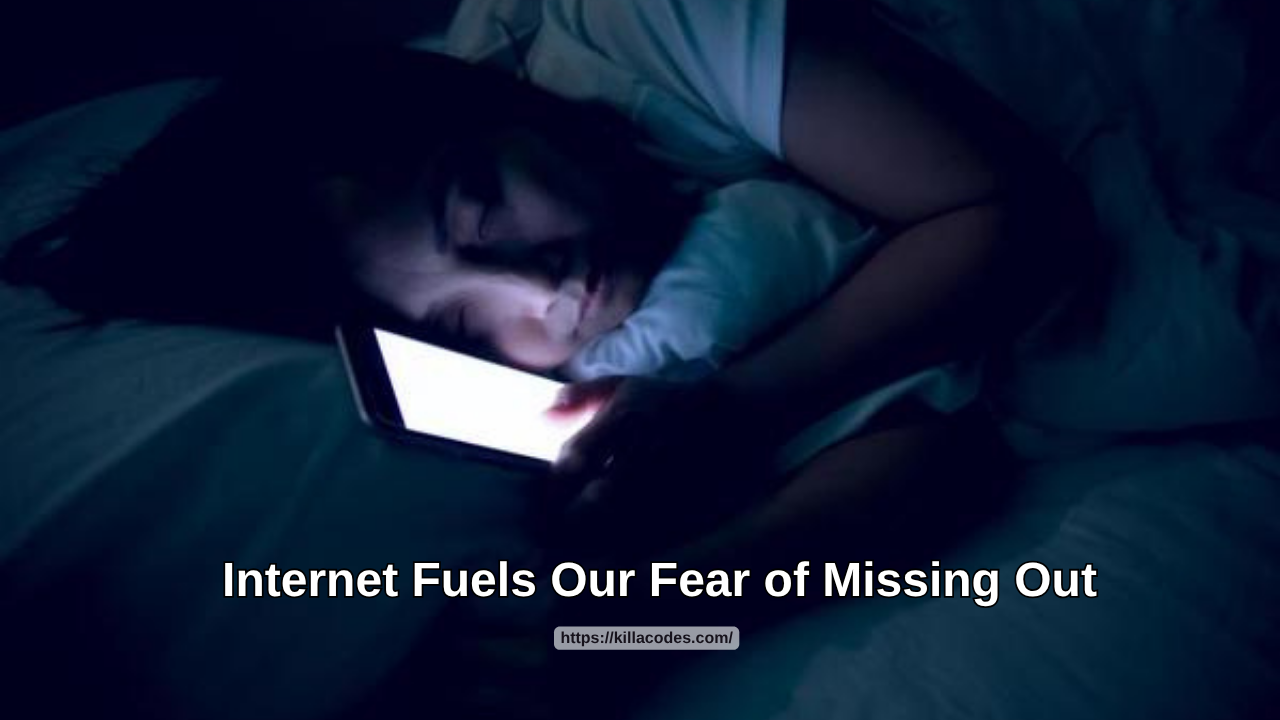
The FOMO Epidemic: How the Internet Fuels Our Fear of Missing Out

In a world where every moment is shared, liked, and reposted, many of us live with a constant sense that we are missing something important. Whether it’s a social event, a new trend, or a life milestone, the “Fear of Missing Out” (FOMO) has become one of the defining emotional experiences of the digital age. The internet, and particularly social media, thrives on comparison and connection, but for many, it also deepens anxiety, loneliness, and feelings of inadequacy.

At Killacodes, we understand that mental health and technology are deeply intertwined. The emotional weight of FOMO can quietly erode self-esteem and even trigger unhealthy coping mechanisms such as overuse of social media, substance abuse, or withdrawal from real-life relationships.

Understanding the Psychology Behind FOMO

FOMO is more than just a passing feeling. Psychologists describe it as the anxious belief that others are living better, more fulfilling lives than we are. This emotion is intensified by constant exposure to carefully curated online content. People tend to share their happiest moments, leaving out the struggles and failures. As a result, social media becomes a distorted mirror that reflects only perfection.

When people in recovery or those struggling with mental health challenges compare their lives to what they see online, it can lead to deep feelings of inadequacy. The belief that one’s progress or happiness is not enough can be a significant obstacle in the healing journey.

The Digital Feedback Loop

Every notification, like, and comment reinforces FOMO. The brain releases dopamine, the “feel-good” chemical, when we receive social validation. Over time, this reward cycle can mimic addictive patterns, similar to those seen in substance use. When dopamine levels drop, individuals may experience anxiety or sadness, prompting them to seek more engagement online.

This digital feedback loop can lead to compulsive checking, late-night scrolling, and heightened emotional dependency on digital affirmation. For individuals in addiction recovery, this kind of compulsive behavior can threaten emotional balance and hinder progress.

The Connection Between FOMO and Mental Health

The effects of FOMO go far beyond distraction. Research has shown that high levels of FOMO are linked to depression, anxiety, and stress. People who experience FOMO may feel disconnected even when surrounded by others. They may compare their personal growth, relationships, or achievements to the unrealistic standards portrayed online.

For those healing from addiction, these comparisons can feel particularly heavy. FOMO can awaken old feelings of rejection, self-doubt, or shame that once fueled addictive behaviors. That is why addressing emotional triggers in digital spaces is a vital part of holistic recovery.

Reclaiming Control: Practical Steps to Overcome FOMO

1. Practice Mindful Social Media Use

Before opening an app, take a moment to ask yourself why. Are you looking for connection, or are you trying to fill an emotional void? Setting intentional limits on screen time can help reduce emotional dependency on digital validation.

2. Celebrate the Present Moment

FOMO often distracts us from what we already have. Grounding practices such as meditation, journaling, and prayer can help shift focus from what is missing to what is meaningful.

3. Engage in Real-Life Connection

Nothing replaces genuine human connection. Spending time with supportive people, especially those who understand your recovery journey, helps restore emotional balance and resilience.

4. Seek Professional Support

If FOMO leads to emotional distress, therapy or counseling can provide valuable guidance. At Killacodes, our individualized and faith-based approach to recovery integrates mental health support with holistic healing to address the root causes of anxiety and disconnection.

Finding Freedom Beyond Comparison

The truth is that no one’s life is as perfect as it appears online. Recovery and healing are deeply personal journeys that cannot be measured by likes or followers. Learning to detach from digital illusions allows space for authentic growth, gratitude, and peace.

Taking the Next Step Toward Healing

The internet can connect us, but it can also consume us. If you find yourself overwhelmed by comparison, anxiety, or emotional exhaustion, it may be time to pause and reconnect with yourself. At Killacodes, we offer compassionate, holistic care that helps individuals break free from the emotional traps of modern life.

Your worth is not defined by what you see online. Healing begins when you choose to step away from comparison and step into a life built on purpose, connection, and peace. Reach out today and let us help you rediscover balance and freedom from the Fear of Missing Out.

Internet Anonymity and the Psychology of Cyberbullying

The internet has created an extraordinary space for connection, learning, and creativity. Yet, beneath its surface lies a darker reality: cyberbullying. The shield of anonymity can empower people to say things they might never express in person. While some use anonymity as a way to protect privacy, others misuse it to spread hate, criticism, and personal attacks. For those struggling with mental health challenges or addiction recovery, online aggression can be especially harmful, reinforcing feelings of isolation and shame.

At Killacodes, we recognize that mental health and online behaviors are deeply connected. Understanding the psychology of cyberbullying is a first step toward healing and building healthier digital environments.

Why Anonymity Fuels Aggression

When people interact face-to-face, social cues like tone, body language, and empathy help regulate conversations. Online anonymity strips these cues away. Without accountability, individuals may feel emboldened to express anger, frustration, or judgment without fear of consequences. Psychologists call this the “online disinhibition effect,” which can turn ordinary people into aggressors in digital spaces.

This effect is particularly troubling in communities where vulnerable individuals seek support. For someone battling addiction or mental health challenges, an unkind comment online can magnify self-doubt and discourage them from reaching out for help.

The Emotional Toll of Cyberbullying

Cyberbullying is not just about hurtful words on a screen. It can lead to significant emotional and psychological consequences. Victims often report increased anxiety, depression, and even relapse in addiction recovery due to overwhelming stress. Unlike traditional bullying, cyberbullying has no boundaries of time or place. A message or post can follow someone everywhere, disrupting sleep, damaging self-esteem, and creating feelings of helplessness.

For those in recovery, these attacks can reinforce harmful coping mechanisms. Many turn back to substance use or unhealthy behaviors as a way to escape the pain. This cycle highlights why recovery programs must address not only personal healing but also the digital environments people navigate daily.

Building Resilience in the Digital Age

While cyberbullying can feel overwhelming, there are strategies to build resilience and protect mental health.

Recognize the Triggers

Acknowledging how online interactions affect your emotions is key. If certain platforms or conversations leave you drained, it may be time to set healthy boundaries.

Strengthen Support Systems

Surround yourself with supportive communities that uplift rather than tear down. Faith-based and holistic recovery programs, like those offered at Killacodes, focus on creating safe spaces where people are encouraged to grow without judgment.

Practice Mindful Engagement

Engaging online with purpose instead of scrolling passively can help limit exposure to negativity. Mindfulness practices also reduce stress and promote emotional balance.

A Path Toward Healing

At its core, recovery is about regaining control over your life and finding strength in healthier choices. Healing from the wounds of cyberbullying requires compassion, resilience, and often professional guidance. Programs that integrate mental health treatment with holistic care can empower individuals to rise above the negativity of online spaces and focus on building a brighter future.

Taking the Next Step

Cyberbullying thrives in anonymity, but it does not have to control your life or recovery journey. If you or someone you love is struggling with the emotional toll of online aggression, know that help is available. At Killacodes, we provide compassionate, individualized support through addiction recovery and mental health treatment. Together, we can build resilience, restore confidence, and reclaim peace in both the digital and real world.

Take the first step today. Reach out and let us walk alongside you toward healing.