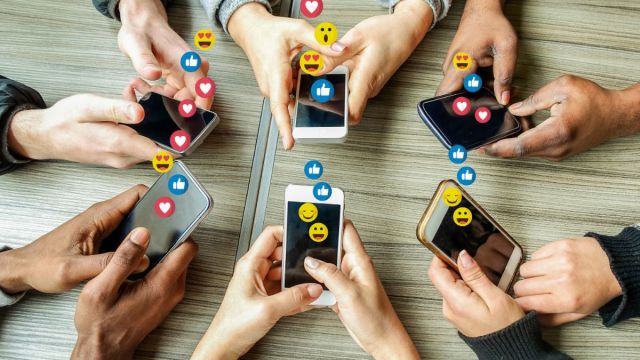
In a world where social validation often comes in the form of likes, comments, and shares, internet communities shape how we perceive ourselves. For individuals navigating addiction recovery or mental health challenges, these online norms can significantly impact self-worth, emotional stability, and overall healing. Understanding the subtle ways that digital culture influences behavior and self-perception is essential for maintaining balance and fostering sustainable recovery.
The Role of Online Norms in Mental Health
Internet communities establish their own set of rules, expectations, and social cues. From the tone of discussions to the types of content that receive attention, these norms affect how members engage and evaluate themselves. While these communities can offer support, encouragement, and shared understanding, they can also foster comparison, self-doubt, or pressure to conform.
For people in recovery, these pressures may trigger emotional responses that challenge coping strategies. Recognizing and navigating these influences is a critical step in protecting mental wellness.
Social Comparison and Its Effects
Online platforms often highlight curated versions of life. Individuals see peers’ achievements, social outings, or recovery milestones, which can prompt comparison. In recovery, such comparison can be harmful, leading to feelings of inadequacy, frustration, or discouragement. Awareness of these dynamics allows individuals to interpret online interactions with perspective and self-compassion.
Validation and Emotional Dependence
Many users seek affirmation through engagement metrics. While positive feedback can feel rewarding, relying on likes or comments for self-esteem can create dependency. For someone in recovery, this dependency may mirror addictive patterns, making it harder to maintain emotional balance and focus on personal growth.
Strategies for Healthy Engagement
Set Boundaries Around Online Interaction
Establish limits on time spent in digital spaces. Schedule specific periods for social media or forums and turn off notifications during offline hours. Boundaries help prevent compulsive behaviors and support emotional stability.
Curate a Positive Digital Environment
Follow communities and content that inspire, educate, and support recovery. Remove or mute accounts that contribute to stress, comparison, or negativity. A thoughtful digital environment encourages meaningful engagement rather than reactive consumption.
Focus on Real-Life Connections
In-person relationships remain vital to emotional health. Regular therapy, support groups, and quality time with family and friends strengthen resilience. Digital interaction should complement, not replace, real-world connection.
Practice Mindfulness and Self-Reflection
Journaling, meditation, prayer, or creative expression can help process emotions triggered by online interactions. Reflective practices reinforce self-awareness and reduce reliance on external validation.
Seek Professional Support
When navigating the pressures of online culture becomes overwhelming, professional guidance is invaluable. Killacodes provides holistic, faith-based programs tailored to each individual’s journey, integrating mental health treatment, addiction recovery, and personalized strategies to promote sustainable healing.
Moving Forward with Awareness
Internet communities have a profound influence on self-perception, social behavior, and emotional health. By understanding these norms and intentionally managing online engagement, individuals in recovery can protect their self-worth, support mental wellness, and reinforce the tools they are building for lasting healing.
At Killacodes, we are committed to helping clients navigate both online and offline environments with mindfulness and care. If you or a loved one struggle with the emotional challenges of digital culture or recovery, reach out today. Taking proactive steps to manage online influence is an important part of reclaiming balance and embracing a healthier, more resilient life.